
Vibration measurements during the warranty period for equipment

Why Should New Equipment Be Measured?

The purchaser of new equipment will certainly want to make sure after commissioning that everything is working as intended and that there are no faults in the equipment or installation. Problems found during the equipment warranty period are often the supplier’s responsibility, so it is worth correcting any issues before the warranty period expires.

Vibration measurements can reveal, for example, inadequate equipment mounting, faulty bearings, and resonance conditions. There are standard limits for vibration intensity for different types of equipment. By comparing the measured values with these limits, it can be determined whether the vibration is excessive. Based on the measurements, the supplier can make structural modifications or, for example, service the equipment.

Vibration Measurement of a Pump During the Warranty Period

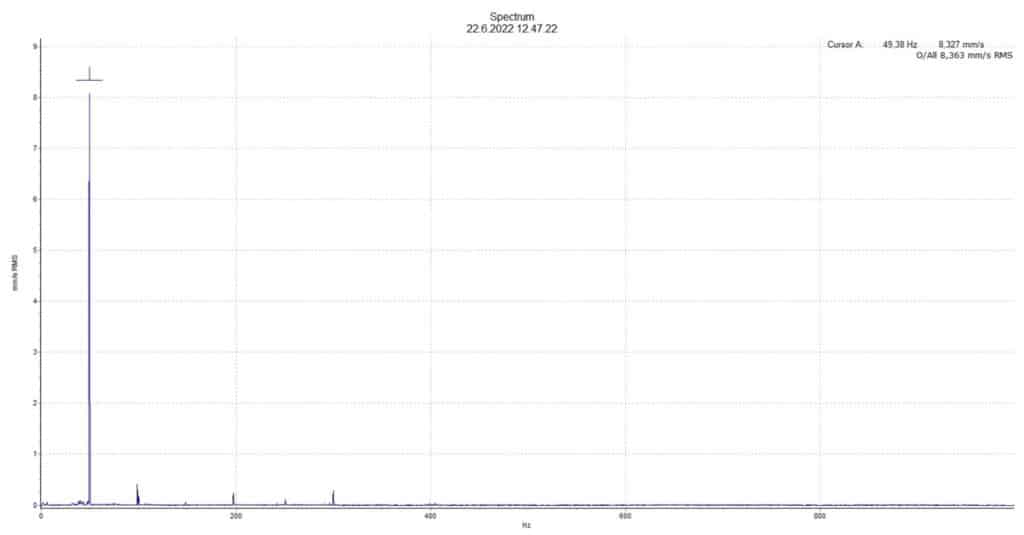
During the pump acceptance measurements, vibration exceeding the standard was detected at the motor. The pump was controlled by a variable frequency drive and set to a frequency of 50 Hz. At the free end of the motor, the RMS value of the vibration velocity measured in the horizontal direction exceeded the recommendation for this type of equipment. Based on the measurements, the problem was resonance occurring within the operating range. Figure 1 shows the vibration velocity frequency spectrum, with the motor’s rotational frequency as the dominant frequency.

Figure 1: Vibration velocity spectrum measured horizontally from the free end of the motor at a variable frequency drive setting of 50 Hz.

In this case, we recommended supporting the structure or, alternatively, operating outside the resonance range. Structural support was added to the equipment, and follow-up measurements were carried out on the motor. These measurements showed that operating at a slightly higher variable frequency drive setting of 52 Hz did not significantly change the process, while the RMS value of the vibration velocity was reduced to below the recommended limits.
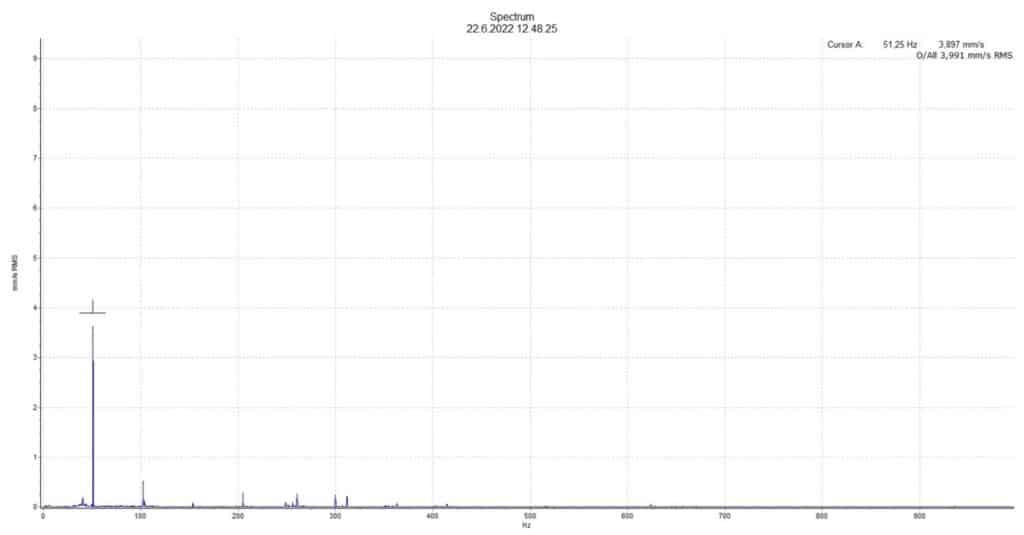
Figure 2: Vibration velocity spectrum measured horizontally from the free end of the motor at a variable frequency drive setting of 52 Hz.
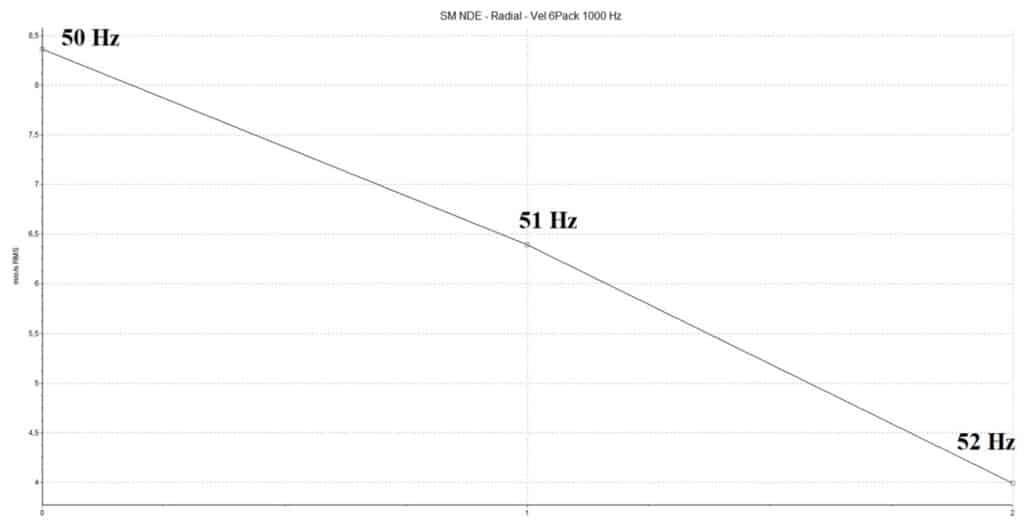
Figure 3: RMS values of vibration velocity measured from the free end of the motor at different variable frequency drive settings.
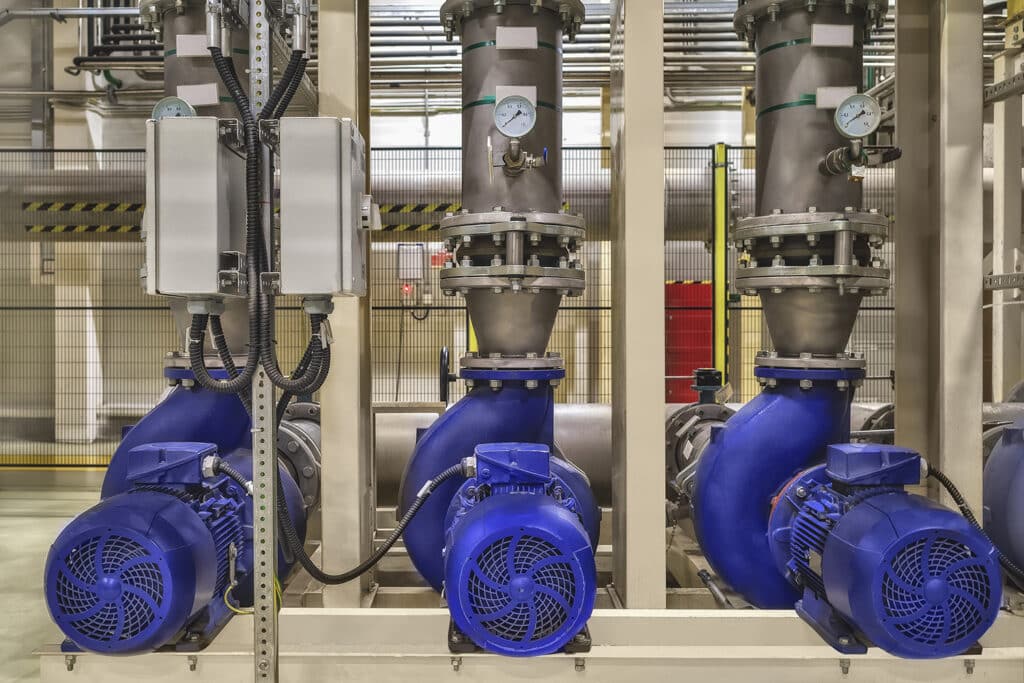
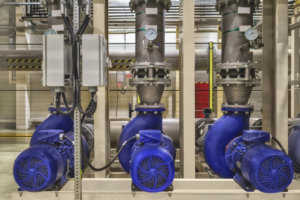
Figure 4: Illustrative image

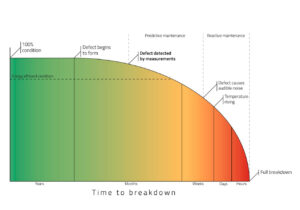
The lifespan of the equipment is longer and the investment more profitable when faults are identified as early as possible and the root cause is addressed. Vibration measurement of new equipment may seem unnecessary, but it provides valuable information not only about the condition of the equipment but also helps optimize its operation in exactly the right way. Occasionally, bearing faults are also found in new equipment.
Ota yhteyttä ja aloitetaan yhteistyö

Kuuntelemme tarkkaan asiakkaitamme ja varmistamme, että ratkaisumme vastaavat heidän todellisiin tarpeisiinsa syvällisellä teollisuusosaamisella.

Toteutamme projekteja joustavasti, joko osittain tai kokonaisuudessaan, aina asiakkaan tarpeiden mukaan.

Yhteistyö ja asiakaslähtöinen suunnittelu ovat toimintamme ytimessä, ja tarjoamme jatkuvaa tukea sekä kehitystä myös projektin valmistumisen jälkeen.