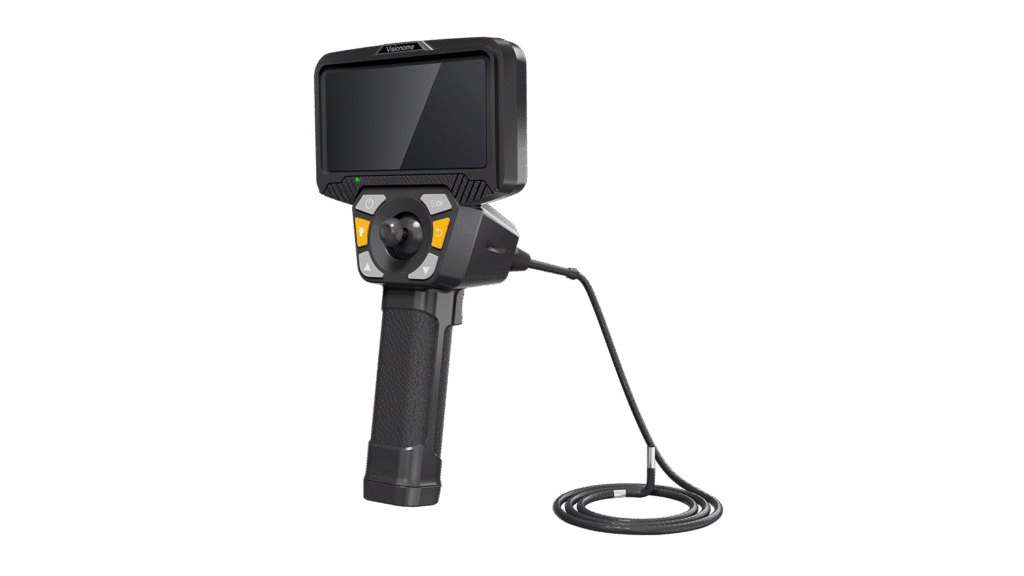
A high-quality industrial endoscope is an investment in smooth and hassle-free inspection work. With an endoscope, it is a good idea to consider a few things even before purchasing and during use. Here are a few tips to help you not only purchase the right device, but also make your own work smoother.
1. Avoid the Cable Getting Stuck
The cable getting stuck may lead to excessive use of force and damage to the cable when removing it. Defects of this kind are not covered by the warranty, so damaging the cable can become expensive. Allow the cable to bend naturally and slide into the inspection areas without using force. This way, it is less likely to get stuck. Bends that are too tight may also damage the structure of the cable internally.
2. Dust on the Lens Tip
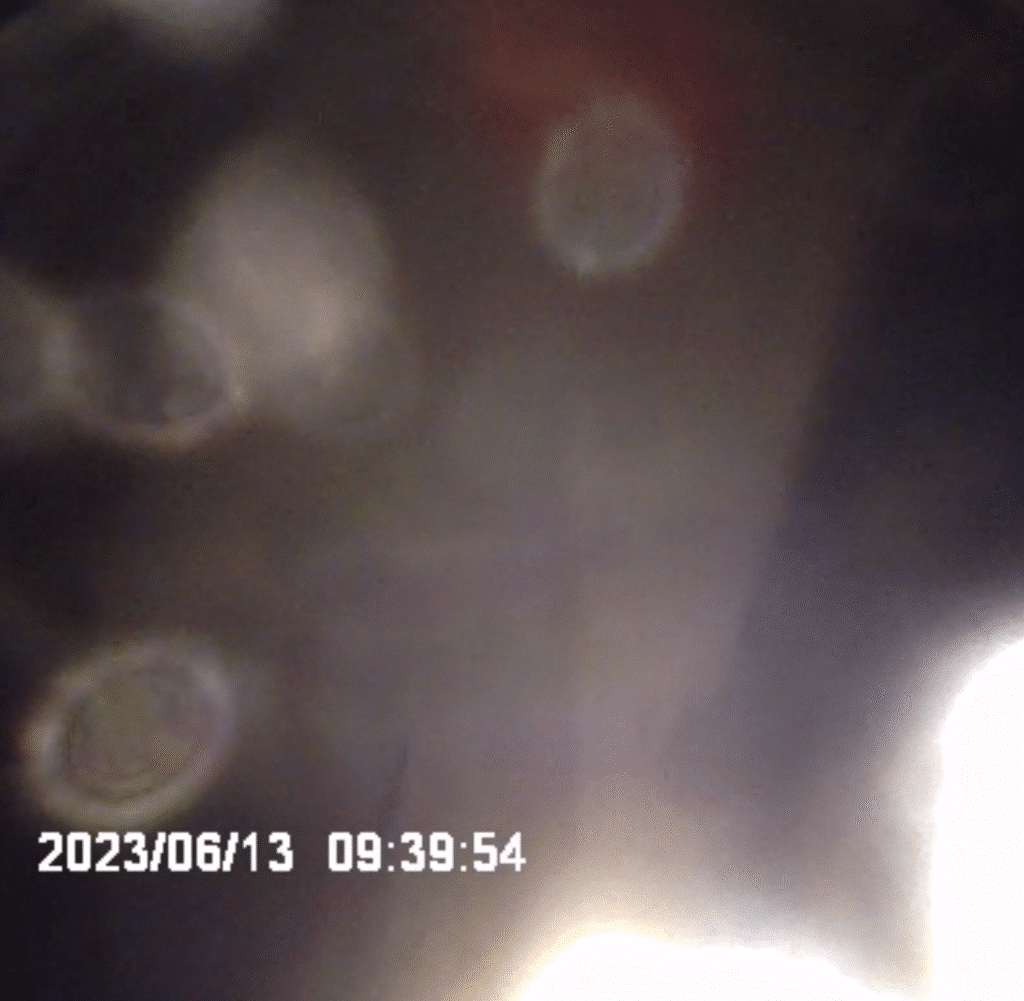
With small-diameter cables, dust may sometimes appear on the surface of the lens. The dust appears in the image as spots of light that interfere with visibility. The thinnest cables are less than 1mm in diameter, so rubbing and wiping the lens is not an option. To remove the dust, simply make light contact with a clean cloth and you can continue imaging again.
3. Avoid Blurry Images
Blurry images are often caused by camera shake, a dirty lens, or taking images outside the depth of field. Since the same principles that apply to other types of photography also apply to using an endoscope, the same guidelines are relevant when using an endoscope. You can avoid shaking by resting the cable and your hand against a solid surface. This ensures that the cable does not move too much when taking the image. Calm handling of the cable and good working positions also ensure a good result.
It is a good idea to always clean the lens after working with a damp microfiber cloth. Do not use abrasive materials or strong chemicals. Likewise, the cable should be wiped clean with a cloth.
4. Be Aware of the Depth of Field
Lenses have a fixed focusing distance, which means that the depth of field is also fixed. Objects within the depth of field (DOF, Depth Of Field) appear sharp, while objects outside this area appear unclear. If the depth of field of the lens is, for example, 12-200mm, this distance can be considered the distance from which it is possible to capture a usable image in terms of sharpness. If you are imaging from closer than 12mm or farther than 200mm, the image will not be sharp.
5. Choose the Correct Cable Length
Choose the correct cable length already at the ordering stage. Since industrial endoscopes are relatively expensive, it is tempting to think that it is better to take a slightly longer cable than you currently think you need, just to be safe. However, cables are designed to be used with their full length extended. If you choose a 5m cable and only use one metre of it, the remaining four metres will be coiled either on the floor or in your hand. When you try to control the tip of the cable in this situation, you will notice that the end of the cable does not turn at all. This is because the coiled cable causes a tremendous amount of friction on the control cables inside the cable, meaning that the force of the joystick is not sufficient to turn the tip. Even if you manage to turn the tip in this situation, the internal structure of the cable may be damaged due to friction.
So choose the cable length carefully to ensure that you do not take too much or too little in relation to your needs.
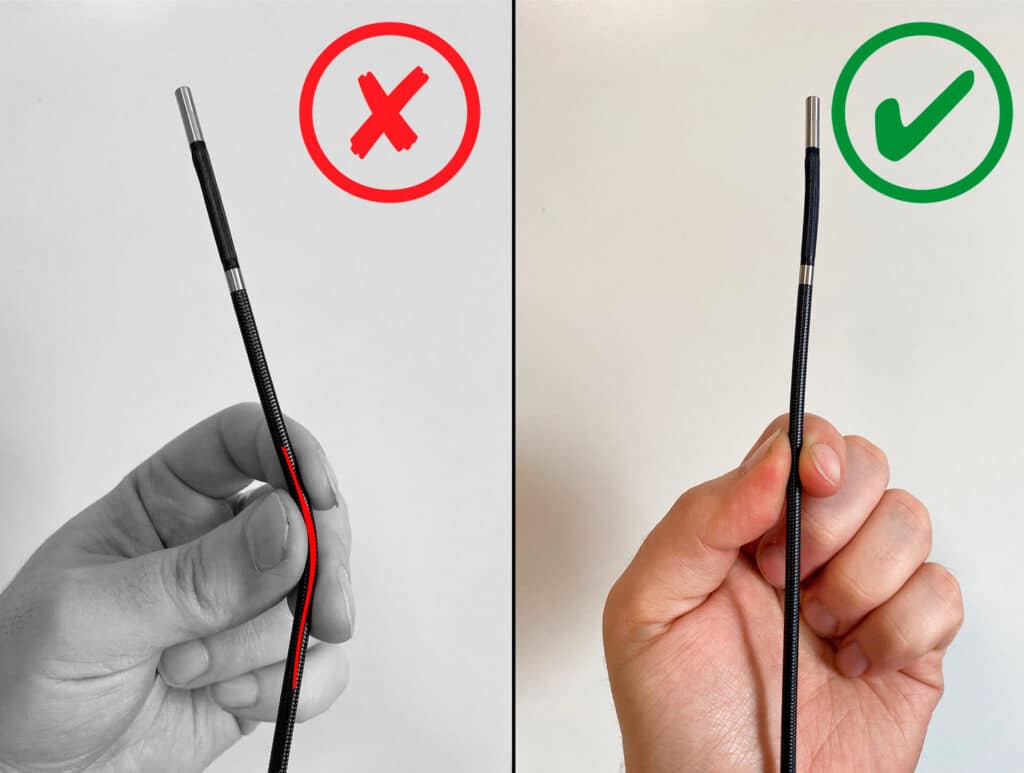
Bonus: The Right Grip for Thin Cables
Thin cables are not as rigid as thicker ones. When handling cables, it is important not to bend the cable too tightly. Most of us hold a cable by squeezing it with three fingers. With thin cables, learn to squeeze the cable between two fingers. This way, you cannot accidentally bend the cable into a bend that is too tight between your fingers.
Explore Visionome Endoscopes
Visionome endoscopes offer the best price–quality ratio among industrial endoscopes. The endoscopes are suitable for small auto repair shops, builders, as well as professional industrial endoscopy.
Explore the range at Visionome